
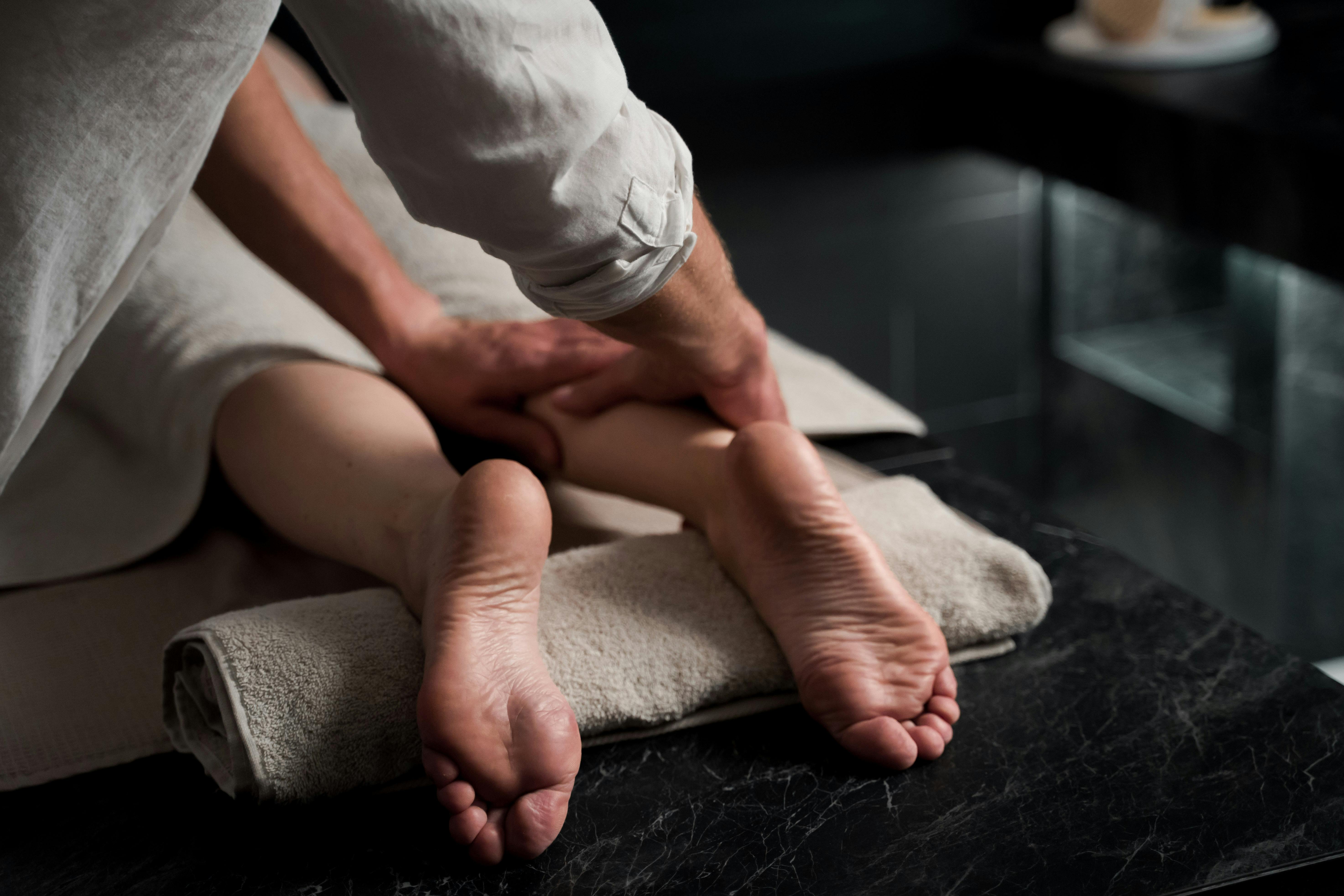
Why Therapeutic Massage Is More Than Just Relaxation
Many people still think of massage as an occasional luxury — something reserved for vacations, spa days, or special occasions. But over the last several years, we’ve seen a major shift in how patients view massage therapy. More people are seeking it not simply because they want to relax, but because they’re feeling physically and mentally overwhelmed.
At 5280 Balanced Health Center, patients often come in describing chronic tension, headaches, tight shoulders, poor sleep, stress, or a body that just feels “stuck.” They’ve tried stretching more, exercising harder, or pushing through discomfort, but the tension keeps returning.
Therapeutic massage offers a different approach. Instead of temporarily masking symptoms, it works with the body’s muscular, fascial, and nervous systems to support recovery, movement, and regulation in a more lasting way.
Therapeutic Massage Supports More Than Muscles
One of the biggest misconceptions about massage therapy is that it only affects muscles. In reality, therapeutic massage has a much broader influence on the body.
When we’re under stress, the nervous system often shifts into a heightened state of alertness. Many people carry that stress physically without even realizing it. It shows up as jaw clenching, shallow breathing, neck tension, headaches, tight hips, or the feeling that your body can never fully relax.
Sometimes patients don’t realize how much tension they’ve been carrying until their body finally slows down.
Therapeutic massage can help calm that stress response by encouraging the body to shift into a more restorative state. As breathing slows and muscle guarding decreases, many patients notice they feel clearer, calmer, and more physically at ease afterward.
This is one reason massage therapy can support more than just temporary relaxation. It can help regulate how the body responds to ongoing physical and emotional stress.
It’s Not Just Muscles — Fascia Matters Too
Another important piece of the puzzle is fascia.
Fascia is the connective tissue system that surrounds and supports muscles, joints, and other structures throughout the body. Healthy fascia allows tissues to glide and move smoothly. But repetitive movement, stress, poor posture, injuries, and inactivity can all contribute to restriction within the fascial system.
When fascia becomes tight or less adaptable, the body often feels stiff, heavy, or resistant to movement; even if you stretch regularly. Therapeutic massage can help improve circulation, tissue mobility, and overall movement quality. This is often why patients leave feeling lighter, looser, or more mobile after treatment.
Massage isn’t simply “working knots out.” It’s helping restore better movement and communication throughout the system.
The Difference Between Relaxation Massage and Therapeutic Massage
Relaxation massage and therapeutic massage both have value, but they often serve different goals.
Relaxation-focused massage is generally designed to reduce stress, promote calmness, and support overall wellness. Therapeutic massage tends to be more targeted and intentional. Sessions are often tailored around specific tension patterns, mobility restrictions, recovery goals, or areas of discomfort.
That doesn’t mean therapeutic massage has to feel intense or uncomfortable. In fact, many patients respond best when the body feels supported rather than forced.
At 5280 Balanced Health Center, therapeutic massage is individualized. Some patients need nervous system down-regulation and stress relief. Others benefit from deeper tissue work, recovery-focused treatment, or mobility support. The goal is to meet the body where it is.
Why Massage Often Works Best as Part of a Bigger Plan
One reason therapeutic massage can be so effective is because it works well alongside other supportive therapies.
Massage therapy is often combined with chiropractic care, dry needling, or Fascial Stretch Therapy to help address different layers of tension and movement restriction. While massage helps reduce soft tissue tension and improve circulation, chiropractic care supports joint motion and nervous system function. Dry needling can help release deeper trigger points, while Fascial Stretch Therapy focuses more directly on improving movement within the connective tissue system.
Together, these therapies create a more complete approach to recovery and mobility.
Why We Expanded Our Massage Therapy Team
Over the past year, we’ve seen growing demand for therapeutic massage from patients looking for a more proactive approach to stress, recovery, and pain management.
Expanding our massage therapy team allows us to offer more appointment availability and better match patients with therapists who fit their goals and preferences. Every therapist brings a slightly different style and focus, which helps us create a more personalized experience for each patient.
For us, this expansion isn’t just about adding appointments — it’s about continuing to support our community with thoughtful, individualized care.
Feeling Better Shouldn’t Be Reserved for Special Occasions
Many people wait until they feel completely overwhelmed before giving themselves permission to slow down or seek support. But caring for your body doesn’t have to be reserved for emergencies or special occasions.
Therapeutic massage can be part of a long-term wellness routine that supports movement, recovery, stress regulation, and overall quality of life.
At 5280 Balanced Health Center, we believe feeling better starts with supporting the body as a whole, not just chasing symptoms.
Frequently Asked Questions
Can massage therapy help with stress and anxiety?
Many patients notice that massage therapy helps them feel calmer and more regulated. Massage can support the nervous system by helping the body shift out of a constant stress response.
What’s the difference between therapeutic massage and relaxation massage?
Relaxation massage is generally focused on overall stress reduction and wellness, while therapeutic massage is more targeted toward specific tension patterns, discomfort, recovery goals, or mobility limitations.
How often should you get a therapeutic massage?
That depends on your goals, stress levels, activity level, and current symptoms. Some patients benefit from weekly sessions during periods of high stress or recovery, while others do well with monthly maintenance care.
Where can I get therapeutic massage in the Denver Tech Center?
5280 Balanced Health Center offers therapeutic massage in Denver as part of an integrated wellness approach that may also include chiropractic care, dry needling, and Fascial Stretch Therapy.


Leave a Reply