
Understanding Cranial Sacral Therapy and Its Benefits
Cranial sacral therapy, a subtle yet profound form of treatment, has steadily gained recognition in the realm of alternative health practices. Renowned for its gentle approach, this therapy offers a unique way to address and alleviate a range of ailments that affect both the mind and body. As more individuals seek holistic treatments that complement traditional medical care, understanding the nuances and benefits of cranial sacral therapy becomes essential.
The Basics of Cranial Sacral Therapy
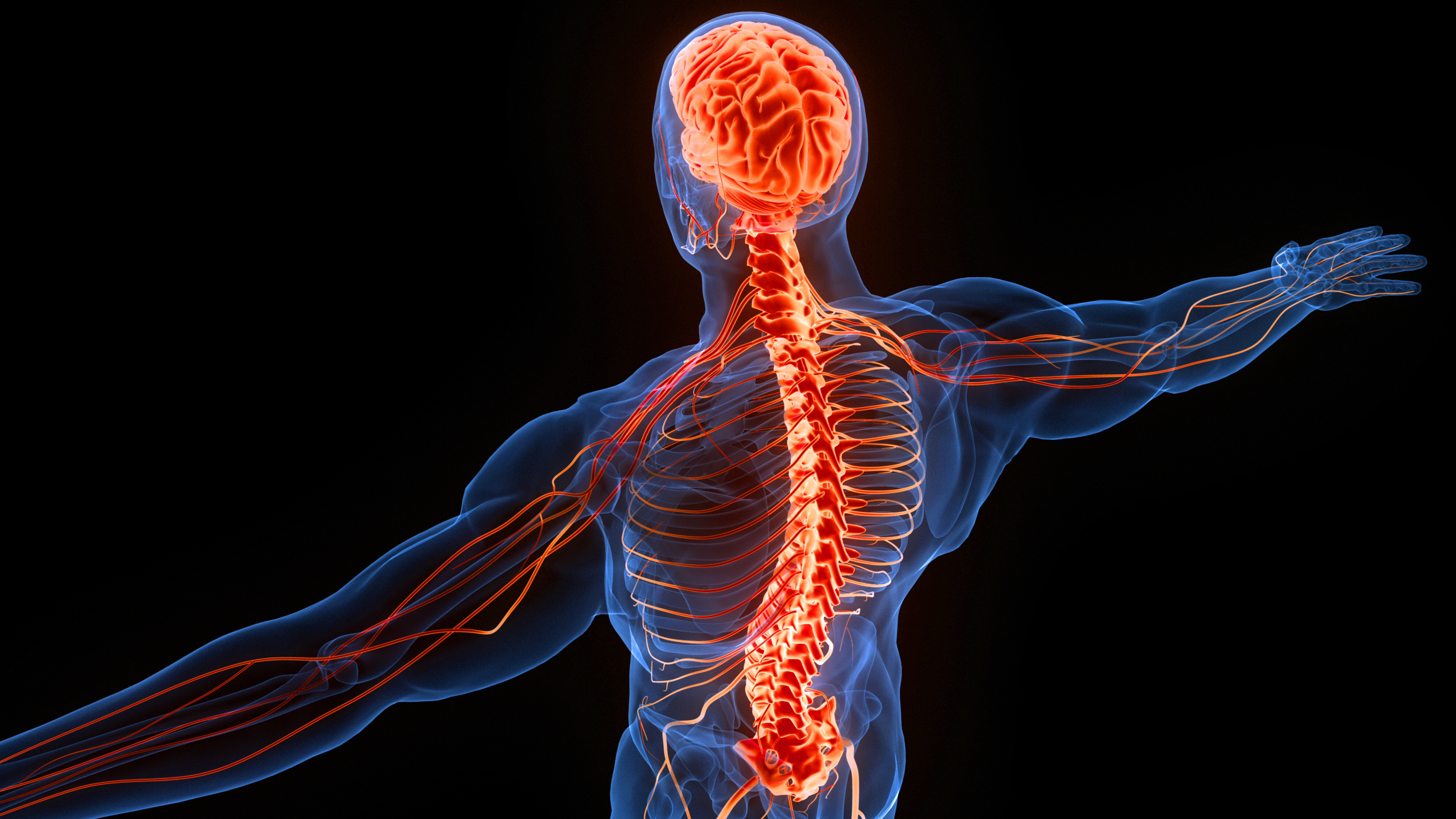
Cranial sacral therapy (CST) is a specialized form of bodywork that involves the therapeutic touch of the skull, spine, and pelvis. The goal is to enhance the functioning of the craniosacral system—the membranes and fluid that surround and protect the brain and spinal cord. Practitioners of this technique use soft, gentle pressure to manipulate the bones of the skull, spine, and pelvis to release tension, reduce stress, and improve bodily function.
During a typical session, the practitioner will assess the craniosacral rhythm—a subtle pulse felt throughout the body, similar to the heartbeat but related to the flow of cerebrospinal fluid. This rhythm provides insights into areas of dysfunction and guides the practitioner in applying effective, site-specific treatment.
The roots of cranial sacral therapy lie in cranial osteopathy, a branch developed in the early 20th century by Dr. William Sutherland. Sutherland discovered intrinsic movements of the bones in the skull and theorized that these movements are linked to health and disease. Over the decades, his initial concepts have evolved and expanded into what is now known as cranial sacral therapy.
This therapy was further popularized by Dr. John Upledger in the 1970s after he observed rhythmic movements during a surgical procedure on the spinal cord. Upledger’s research and subsequent training programs have helped propagate the practice among practitioners worldwide, establishing it as a respected therapeutic technique within complementary health care.
Scientific Basis and How It Works
At the heart of cranial sacral therapy is the belief that the body possesses inherent abilities to heal itself. The therapy is designed to facilitate this natural process by enhancing the body’s capacity to improve the flow and distribution of cerebrospinal fluid. This fluid plays a crucial role in protecting the brain and spinal cord while delivering essential nutrients and removing waste products.
CST practitioners assert that restrictions in the body’s craniosacral system can cause a variety of sensory, motor, or neurological impairments. Techniques used in CST are aimed at releasing these restrictions and improving the function of the central nervous system.
Benefits of Cranial Sacral Therapy
Cranial sacral therapy offers a myriad of benefits, particularly noted for its effectiveness in treating conditions that are often resistant to other forms of treatment. Here are some of the key benefits:
- Improved Range of Motion and Reduced Pain: By gently manipulating the skull, spine, and pelvis, CST helps alleviate the restrictions in the craniosacral system, leading to decreased pain and increased range of motion.
- Enhanced Nervous System Function: As CST aims to reduce the stress on the cranial nerves, patients often experience improvements in neurological functioning, which can affect sensory and motor responses throughout the body.
- Stress Reduction and Relaxation: The gentle touch techniques of CST are particularly effective in reducing stress levels, which can significantly impact overall health and well-being.
- Boosted Immune Response: By normalizing the environment around the brain and spinal cord and improving bodily function, CST can enhance the body’s immune responses.
While CST shares some similarities with other chiropractic and osteopathic techniques, such as the focus on spine health and holistic treatment, there are distinct differences. Unlike more forceful manipulations used in traditional chiropractic adjustments, cranial sacral therapy uses a much softer touch and focuses more on the subtle movement of the cranial bones.
What to Expect During a Session
For those new to cranial sacral therapy, knowing what to expect can ease initial apprehensions. Sessions typically last between 45 minutes to an hour, during which the practitioner will make light contacts at selected points around the head, torso, knees, and feet. Patients usually feel a deep sense of relaxation during and after the session, which contributes to the therapeutic effect.
Cranial sacral therapy offers a gentle yet powerful approach to holistic health care, beneficial for those seeking non-invasive and effective treatment options. With its numerous benefits, including pain relief, stress reduction, and enhanced neurological function, this therapy has helped many achieve a higher quality of life. Whether you’re dealing with chronic pain, neurological issues, or just looking for a way to improve overall wellness, cranial sacral therapy might be the solution you need.
If you’re curious about how cranial sacral therapy can specifically help you or your family, we invite you to contact 5280 Balanced Health Center today. Schedule a consultation to speak with our team who can tailor a treatment plan to your unique needs and health goals.


Leave a Reply